
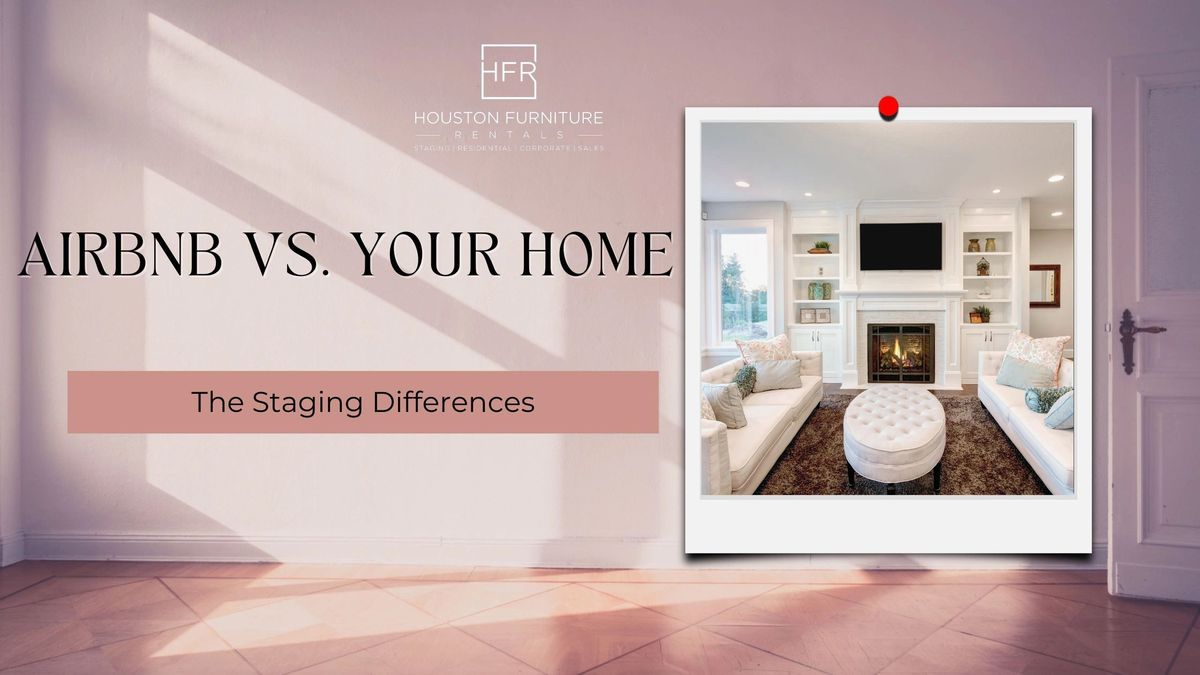
When you hear the phrase “home staging,” you might think of depersonalized rooms, neutral color palettes, and an ultra-tidy environment ready for potential buyers to envision themselves in the space. While that holds true for staging a property to sell, staging a vacation rental is an entirely different ballgame. From the target audience to design priorities, the goals of staging a rental property diverge significantly from those of staging a home on the market. As an experienced home stager, I’ve laid out the main differences below—plus a few insider tips to make your vacation rental shine and your for-sale property stand out.
1. Purpose & Target Audience
Staging to Sell
When staging a home for sale, the ultimate goal is to help potential buyers see themselves living in the space. That often means:
- Neutralizing Personal Decor: Removing family photos, souvenirs, or quirky art that might distract or alienate potential buyers.
- Emphasizing Versatility: Showcasing how each room can serve various functions, appealing to the widest possible market.
Staging a Vacation Rental
Staging a vacation rental is all about attracting guests who want a memorable, comfortable experience for a few days or weeks. That often involves:
- Creating an “Instagrammable” Aesthetic: Bold, welcoming design elements that excite travelers looking for a unique stay.
- Highlighting Amenities: Whether it’s a game area, a cozy reading nook, or a spa-like bath, stage these spaces so potential guests can imagine a fun, relaxing getaway.
2. Length of Stay & Functionality
Staging to Sell
Buyers walking through a property are making a long-term decision. They want to see:
- Ample Storage & Space: Clean closets, decluttered garages, organized pantries—buyers need to picture how their belongings will fit.
- Livable Layout: A functional flow for everyday life (cooking, dining, entertaining, or working from home).
Staging a Vacation Rental
Vacationers typically stay for short periods, so the emphasis shifts:
- Comfort & Convenience: Plush bedding, extra blankets, quality towels—details that create a welcoming atmosphere.
- Entertainment & Amenities: Board games, a well-equipped kitchen, or a mini coffee bar can be staged to enhance the overall guest experience. Think immediate gratification over long-term practicality.
3. Style & Personality
Staging to Sell
For a home on the market, the design rule of thumb is “keep it neutral and appealing to the largest buyer pool.” This includes:
- Minimalism: Clean lines, lack of clutter, and soft color palettes.
- Broad Appeal: Avoid overly trendy or polarizing décor that might turn off certain buyers.
Staging a Vacation Rental
You actually want your rental property to stand out from the crowd on booking platforms. That means:
- Distinctive Design Choices: A statement wall in the living room, vibrant throw pillows, or region-specific artwork—like coastal-themed décor for a beach rental.
- Local Flavor: Featuring local artwork or subtle nods to the area’s culture or natural surroundings can make your place memorable (and review-worthy).
4. Maintenance & Durability
Staging to Sell
Staged homes aren’t meant to be “lived in” by owners during the showing process, so you have more control over traffic and wear-and-tear. Materials can be chosen for aesthetics first:
- Showroom Condition: Everything should remain pristine for showings, with minimal daily use.
Staging a Vacation Rental
A successful vacation rental might host dozens or even hundreds of guests per year, so furnishings and décor must be durable:
- Sturdy Furniture & Textiles: Opt for fabrics and finishes that can handle frequent cleaning and potential spills (e.g., performance fabrics for upholstery).
- Easy-to-Clean Surfaces: Glass or quartz tabletops, washable rugs, and removable, machine-washable slipcovers help keep maintenance manageable between guest turnarounds.
5. Photography & Marketing
Staging to Sell
Real estate photography for listings focuses on:
- Big-Picture Layout: Wide-angle shots that show room flow, natural light, and potential for furniture placement.
- Neutral Presentation: A consistent, cohesive style that’s inviting but not overwhelming.
Staging a Vacation Rental
A high portion of bookings come from platforms like Airbnb or VRBO, so your listing photos must:
- Tell a Story: Stage scenes with an inviting breakfast tray on the bed, or an outdoor hammock with a cool drink nearby. Show experiences!
- Highlight Unique Selling Points: If you have a fireplace, romantic seating nook, or a breathtaking view, make sure each is showcased and styled for maximum appeal.
6. Final Tips for Both
- Keep It Fresh: Whether selling or renting, declutter and deep-clean before staging.
- Professional Photography: Quality images can be the difference between a quick sale or a fully-booked rental calendar.
- Consult an Expert: Every property and market is different. An experienced stager can customize the approach for your specific goals—selling or renting.
Setting the Stage for Success
Staging is a powerful tool to help your property reach its maximum potential—be it for a permanent buyer or for short-term guests. By understanding the key differences between staging a vacation rental and staging a home for sale, you can tailor your efforts to capture the right audience. Create a warm, inviting atmosphere that appeals to travelers seeking a memorable escape, or aim for neutral sophistication to resonate with serious homebuyers. No matter which route you take, a well-executed staging plan can deliver extraordinary results. After all, first impressions count, whether someone’s scrolling through online listings for their dream home or scouting the perfect vacation getaway.
Contact Us
6550 Long Point Road #204, Houston, TX 77055713-983-0833info@houstonfurniturerentals.com
Monday – Thursday 8:00 am – 4:00 pmFriday 8:00 am – 3:00 pmSaturday & Sunday Closed