
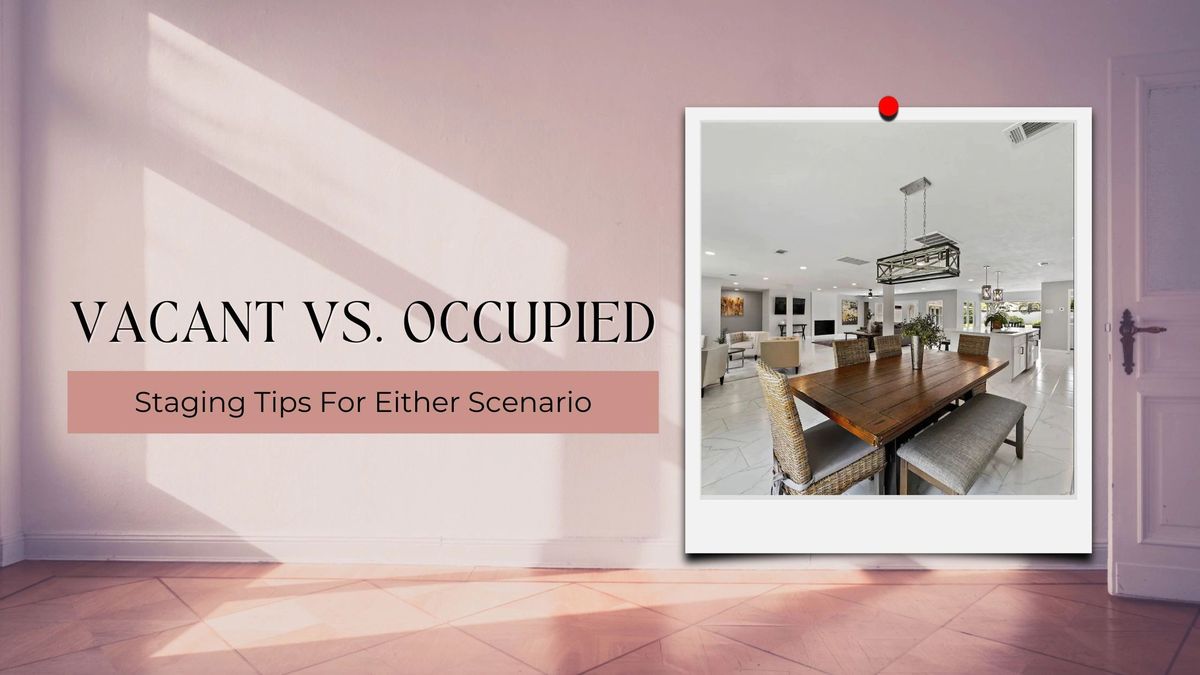
Expert Tips for Staging Vacant vs. Occupied Listings
As a real estate agent, you know that first impressions can make or break a sale. With buyers often searching listings online before ever stepping foot in a home, carefully curated photos and a standout showing experience are crucial for piquing interest. That’s where professional staging comes in. Staging not only enhances your listings visually but also helps potential buyers connect emotionally with the property. But when it comes to deciding whether to stage a vacant home or an occupied one, the choice can be daunting. As a staging expert, I’m here to guide you through the differences, so you can make informed recommendations to your clients.
Why Staging Matters
Before diving into the nuances of vacant versus occupied staging, it’s important to understand why staging matters in the first place. Staging is more than just making a home look nice—it showcases the property’s potential and gives buyers a frame of reference for how spaces can be used. You want each room to tell a story that resonates with prospective buyers. When done right, staging can lead to faster sales and higher offers, making it an essential tool in your real estate arsenal.
Staging Vacant Homes
Staging a vacant home provides you with a blank canvas, giving you full creative freedom to design a welcoming, cohesive look that appeals to a broad range of buyers. Because there’s no existing furniture or décor to work around, you can tailor every piece to highlight the home’s best features—whether that’s a gorgeous fireplace, high ceilings, or a spacious living area. This level of flexibility allows you to strategically select colors, textures, and furniture sizes that make each room feel open and inviting.
However, vacant home staging typically comes with higher upfront costs. You or your clients will need to rent furniture, rugs, art, and décor items. There’s also the setup and takedown aspect to consider. In many markets, though, these expenses can be recouped through a higher sales price or quicker turnaround time. Additionally, vacant staging can be especially beneficial for listings that have been on the market for a while and need a fresh, eye-catching rebrand.
Pros of Vacant Home Staging
- Complete creative control over furniture choices and décor styles.
- Clean, consistent look that underscores the home’s best features.
- Easier to create a cohesive theme without conflicting personal items.
- Potential to stand out in competitive markets through professional-quality photos.
Cons of Vacant Home Staging
- Higher upfront costs for furniture rental and décor.
- Requires a skilled professional to maximize impact and avoid a sterile appearance.
- Longer initial setup time for delivery, arrangement, and styling.
Staging Occupied Homes
Occupied home staging leverages your clients’ existing furniture and personal items to create a warm, lived-in feel that helps prospective buyers imagine themselves settling in. By repurposing what’s already there, you can reduce some of the costs associated with renting furniture. This approach is often less disruptive for clients who are still living in the property, especially if they have kids, pets, or busy schedules. Minimal furniture rental might still be needed to replace outdated or worn pieces, but the core of your staging strategy will focus on thoughtful rearranging and selective depersonalization.
The biggest challenge with occupied staging is finding the right balance between highlighting the homeowner’s style and ensuring the design resonates with a broad buyer pool. Clutter and personalization can distract buyers from the home’s best features, so you’ll need to work with the seller to remove or store excess items. Additionally, if the furniture or décor is outdated or mismatched, you may have to supplement with upgraded pieces or accessories to modernize the look.
Pros of Occupied Home Staging
- Lower costs by using existing furniture and décor.
- Maintains a comfortable and familiar setting for your client while living in the home.
- Showcases how the property functions as a lived-in space.
Cons of Occupied Home Staging
- Possibility of personal clutter or décor that doesn’t appeal to all buyers.
- Limited by homeowner’s furniture style, size, and condition.
- Requires collaboration with sellers to declutter, depersonalize, and rearrange items.
Key Differences at a Glance
- Cost: Vacant homes typically need rented furniture and décor, increasing upfront costs. Occupied homes can use existing pieces but may still require accessory rentals for an updated look.
- Flexibility: Vacant listings offer a clean slate for design, while occupied homes must work around the homeowner’s furniture and style preferences.
- Buyer Connection: Vacant properties can feel spacious and neutral, making it easy for buyers to envision their own belongings. Occupied homes can feel cozy and show real-life functionality, though personal items need to be minimized for broad appeal.
- Logistics: Vacant staging involves delivery, setup, and removal of furniture, while occupied staging typically requires ongoing cooperation from homeowners to keep the home “show-ready.”
Real Estate Agents Should Know The Staging Differences Between Occupied & Vacant Listings
Both vacant and occupied home staging can deliver significant value for you and your clients. Vacant staging provides you with a clean slate to wow buyers with a professionally designed, cohesive look—especially helpful for listings that need a jump-start or have been on the market for an extended period. Occupied staging, on the other hand, allows you to take advantage of existing décor, potentially lowering costs and maintaining a comfortable routine for homeowners who still reside in the property.
As a real estate agent, understanding these nuances will help you set clear expectations with your clients about budget, logistics, and the potential impact on sale price. By offering informed guidance—backed by a staging expert’s insight—you’ll have an edge in showcasing properties at their best and achieving faster, more profitable sales.
Contact Us
6550 Long Point Road #204, Houston, TX 77055713-983-0833info@houstonfurniturerentals.com
Monday – Thursday 8:00 am – 4:00 pmFriday 8:00 am – 3:00 pmSaturday & Sunday Closed