
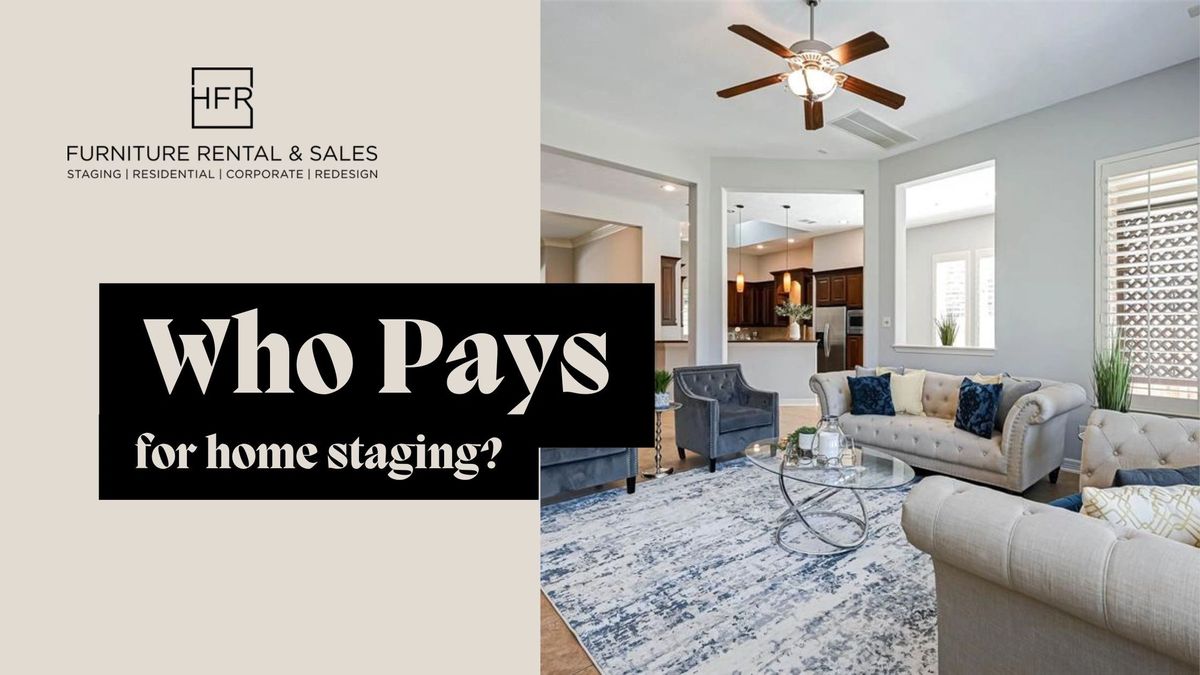
If you’ve ever watched a real estate show on HGTV, you know that home staging can transform a property, highlight its best features, and help it sell faster—often at a higher price. But one of the biggest questions people have is, “Who actually pays for the staging?” As an experienced home stager, I’ve seen a variety of arrangements between sellers, agents, and even specialized companies. Below, I’ll break down the most common payment scenarios and the factors that influence them.
1. Seller-Funded Staging
Why Sellers Often Pay
Typically, the most common scenario is that the homeowner (the seller) covers the cost of staging. This arrangement makes sense if:
- The property is owner-occupied and needs only a partial stage (e.g., rearranging or adding decor, artwork, and accent furniture).
- The homeowner has decided staging is a vital investment to attract more buyers and command a higher selling price.
Pros for the Seller
- Control Over Staging Choices: When the seller is paying, they often get more direct input regarding the staging design and the final look.
- Return on Investment: A well-staged home can sell faster and at a better price—often recouping the staging investment (and then some).
Potential Downsides
- Upfront Cost: Staging can be a significant expense. Costs range from a few hundred dollars for minor tweaks to several thousand for a full-scale, vacant-home stage.
2. Real Estate Agent-Funded Staging
Why Agents Sometimes Foot the Bill
Some real estate agents who are confident in their ability to sell a home quickly and for top dollar may choose to pay for the staging—or at least a portion of it. This could happen if:
- The property is highly desirable and likely to sell at a premium once it’s staged.
- The agent has a marketing budget for luxury or high-end listings.
- The seller’s finances are tight, and the agent sees staging as a must-do to move the property.
Pros for the Seller
- No Out-of-Pocket Expense: This arrangement can be especially beneficial if the homeowner doesn’t have immediate funds for staging.
- Agent’s Expertise: If the agent is providing staging (directly or via a preferred stager), they often have a tried-and-true formula for what works in their specific market.
Potential Downsides
- Negotiated Commission: Sometimes, an agent might require a slightly higher commission rate to recoup staging costs.
- Less Direct Control: The agent may have final say on staging decisions, since they’re footing the bill.
3. Shared Cost Arrangements
Why a Split Can Make Sense
In some cases, the seller and the real estate agent will split the cost of staging. This scenario can come about if:
- The home has a modest but necessary list of staging needs.
- Both parties see the mutual benefit and want to share the financial risk or reward.
Pros for Both Parties
- Shared Responsibility: Splitting costs can reduce financial burden on the seller while minimizing the agent’s risk.
- Aligned Motivation: Both seller and agent are invested in presenting the home in the best possible light, encouraging a faster and more profitable sale.
Potential Downsides
- Coordination: There may be some back-and-forth on budget caps and decisions if both parties are footing the bill.
- Expectations: Clarity on what each party is responsible for (furniture rental vs. décor vs. add-ons like fresh paint) is essential.
4. “Pay at Closing” and Other Creative Approaches
Pay-at-Closing Staging Companies
Some staging companies offer innovative payment models where the staging fee is paid out of the proceeds of the sale. While this can be a relief if you’re short on funds, these arrangements often come with:
- Premium Pricing or Interest: Expect higher staging fees or interest on deferred payments.
- Length-of-Time Clauses: There may be contractual limits on how long the staging can remain in place before additional fees apply.
Other Options
- Credit or Financing: Some sellers use a credit card or take out a short-term loan to finance staging if they anticipate a strong return once the property sells.
- Negotiating with a Preferred Lender: Some mortgage brokers or lenders might roll staging costs into a refinance if circumstances allow.
5. Factors That Influence Who Pays
- Local Market Conditions
- In a seller’s market where demand outstrips supply, you may not need as extensive staging to move the property quickly. Conversely, in a buyer’s market, top-notch staging can make your home truly stand out.
- Property Condition and Value
- A high-end home with luxury finishes often necessitates staging that aligns with the property’s caliber.
- A home in excellent condition might only need minor decorative touches rather than a full redesign.
- Agent’s Business Model
- Some agents have built their brand around offering staging services as part of their listing package. Others prefer to leave those decisions—and costs—in the hands of the seller.
- Seller’s Budget and Timeline
- Sellers who need to move fast and don’t have the budget might rely on creative payment options or ask the agent for assistance.
6. How to Decide
Open Communication
The best approach is to have a candid conversation with your real estate agent about the importance of staging, what it might cost, and how it will be funded. Discuss:
- Goals: Is your priority a quick sale or getting top dollar?
- Budget: How much can you comfortably allocate to staging?
- Market Realities: Is competition fierce in your neighborhood? Will staging significantly boost your property’s appeal?
Return on Investment
Home staging typically provides a strong ROI, especially for mid-range to high-end properties. Even though there’s an upfront cost, staged homes often sell quicker, which can mean fewer mortgage payments, carrying costs, and potential price reductions down the line.
7. Staging Is Essential & Worth The Cost
There’s no one-size-fits-all answer to the question of who pays for home staging. In most cases, it’s the seller who foots the bill, but savvy real estate agents may offer to share or even cover the costs for strategic reasons. Increasingly, creative payment models are making staging more accessible for those who recognize its value but can’t pay upfront.
Regardless of the exact payment arrangement, the key takeaway is this: Staging is an investment in presenting your property at its absolute best. By elevating your home’s visual appeal and helping buyers emotionally connect with the space, you set the stage for a faster, more lucrative sale. After all, in the world of real estate, you only get one chance to make a first impression.
If you’re considering selling—or if you’re an agent looking for staging insights—feel free to reach out. As an experienced staging professional, I’m here to help you weigh your options and guide you toward the solution that aligns best with your goals, budget, and local market. With the right plan, you’ll be well on your way to a more successful and profitable home sale.
Contact Us
6550 Long Point Road #204, Houston, TX 77055713-983-0833info@houstonfurniturerentals.com
Monday – Thursday 8:00 am – 4:00 pmFriday 8:00 am – 3:00 pmSaturday & Sunday Closed